

Our Climate and Nature Approach
Climate and nature are interconnected systems that make dairy possible. By working with farmers, partners and industry - and by setting ambitious targets and tracking progress - we’re focused on reducing Greenhouse gas (GHG) emissions and contributing to healthy ecosystems, with the goal of building a more resilient dairy industry for the long-term.
Healthy ecosystems are the foundation of dairy production. Water, soil health, and on-farm biodiversity directly impact how our farms operate and how resilient our value chain can be.
Understanding and actively managing this interdependence is essential to reduce risk and support more sustainable dairy systems.
The a2 Milk Company is committed to leading and supporting an industry-wide shift towards practices that protect and restore nature over time.
Nature-Related Targets in a Changing Landscape
Global understanding of how nature-related risks affect businesses and supply chains is still evolving. While common standards are still emerging, we have set voluntary goals and measures to better understand our impacts across our value chain and take early, practical action.
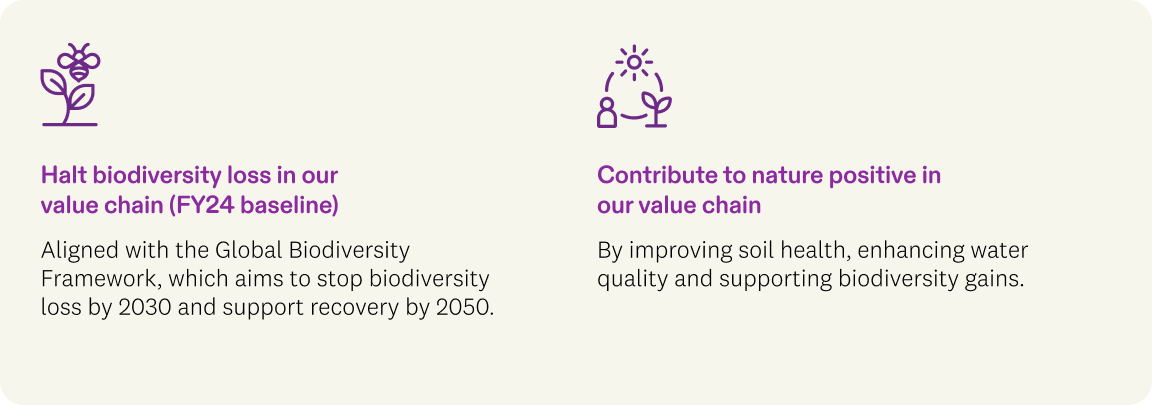
Our current commitments include:
Key Nature Focus Areas Across Our Value Chain
Through assessments and partnerships, we’ve identified three key nature priorities across our value chain and we’re committed to working with farmers, suppliers and industry partners to make positive progress.
Water quality and use
- Improve surface water quality: Support our farmers to reduce nutrient and sediment loss to waterways through improved on-farm practices and catchment-level management.
- Use natural resources sustainably: Use water more efficiently and minimise avoidable waste.
Soil quality
- Enhance soil health: Promote practices that enhance soil health, improve structure and nutrients, and enhance carbon and nitrogen capture.
Biodiversity
- Support biodiversity gains: Work with suppliers to protect and expand on-farm habitats that support healthy, resilient farming.
Helping Our Farmers Build a Thriving Future
The a2™ Farm Sustainability Fund empowers our farmers to be leaders in sustainable dairy, supporting projects that benefit climate, nature, cows, and communities.
So far we’ve invested over $1.9m NZD1 in nature-related projects and have supported more than 115,000 plantings on farm, helping to restore habitats and improve biodiversity.
Each year, the Fund invites applications from farmers supplying A1 protein free milk across Australia and New Zealand, helping them turn sustainability ideas into action faster.
We’re continuing to expand the number of nature-positive projects funded through our a2™ Farm Sustainability Fund and partnerships, focusing on water quality, soil health, and biodiversity gains.
1As at 30 June 2026
Impact in Action
Nature positive outcomes start with practical steps. We are investing through our value chain to support our farmers to adopt solutions that protect and restore nature while creating positive impacts on their farming operations.
Bee and pollination biodiversity pilot project
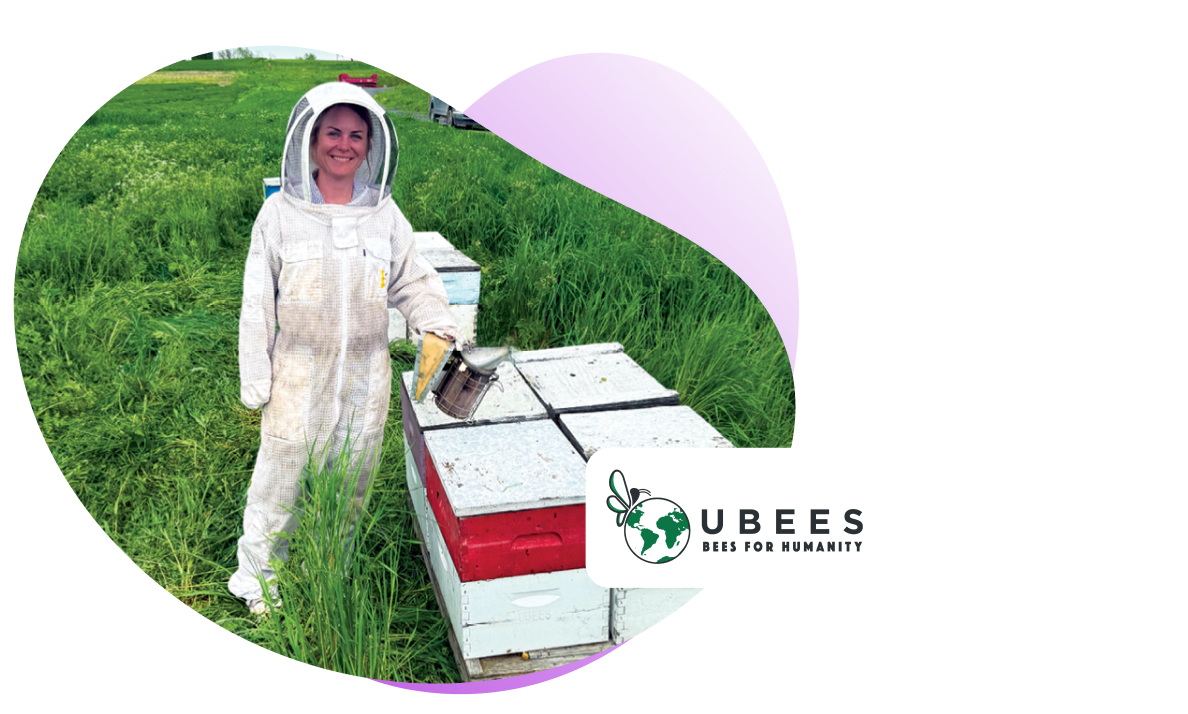
Bees play a quiet but critical role in healthy ecosystems and food security. By pollinating crops and wild plants, they support biodiversity, soil function, and the resilience of food systems.
On dairy farms, plant diversity supports productive and resilient systems. Pasture and forage crops feed cows, protect soils and can reduce reliance on synthetic fertilisers. Pollinators help keep these plant systems productive by supporting flowering, seed set and regeneration. Protecting bees is therefore closely linked to broader efforts to slow biodiversity loss and improve ecological function on farms.
To explore this connection, we partnered with Ubees, a pollination technology and monitoring specialist, on a pilot study examining how pollinators can contribute to more resilient dairy farming systems.
What we did
- 20 smart beehives equipped with sensors were installed on a dairy farm in the USA to monitor colony health and pollination activity.
- Pollen samples were analysed to better understand the diversity of plants that bees were visiting.
Outcomes for the Participating Farm
- Pollination activity: During peak flowering periods, bees visited millions of flowers each day, helping pollinate crops and support the surrounding farm environment.
- Biodiversity insights: Pollen analysis showed bees drawing on many different plants, highlighting the value of diverse plantings for pollinator health and productive pastures.
- On-farm decision-making: The farmer received tailored reports that helped guide planting decisions, supporting more diverse vegetation and stronger biodiversity on the farm over time.
The pilot shows how technology and nature can work together to create more resilient farming systems.
Explore Our Sustainability Focus Areas
Sustainable Packaging
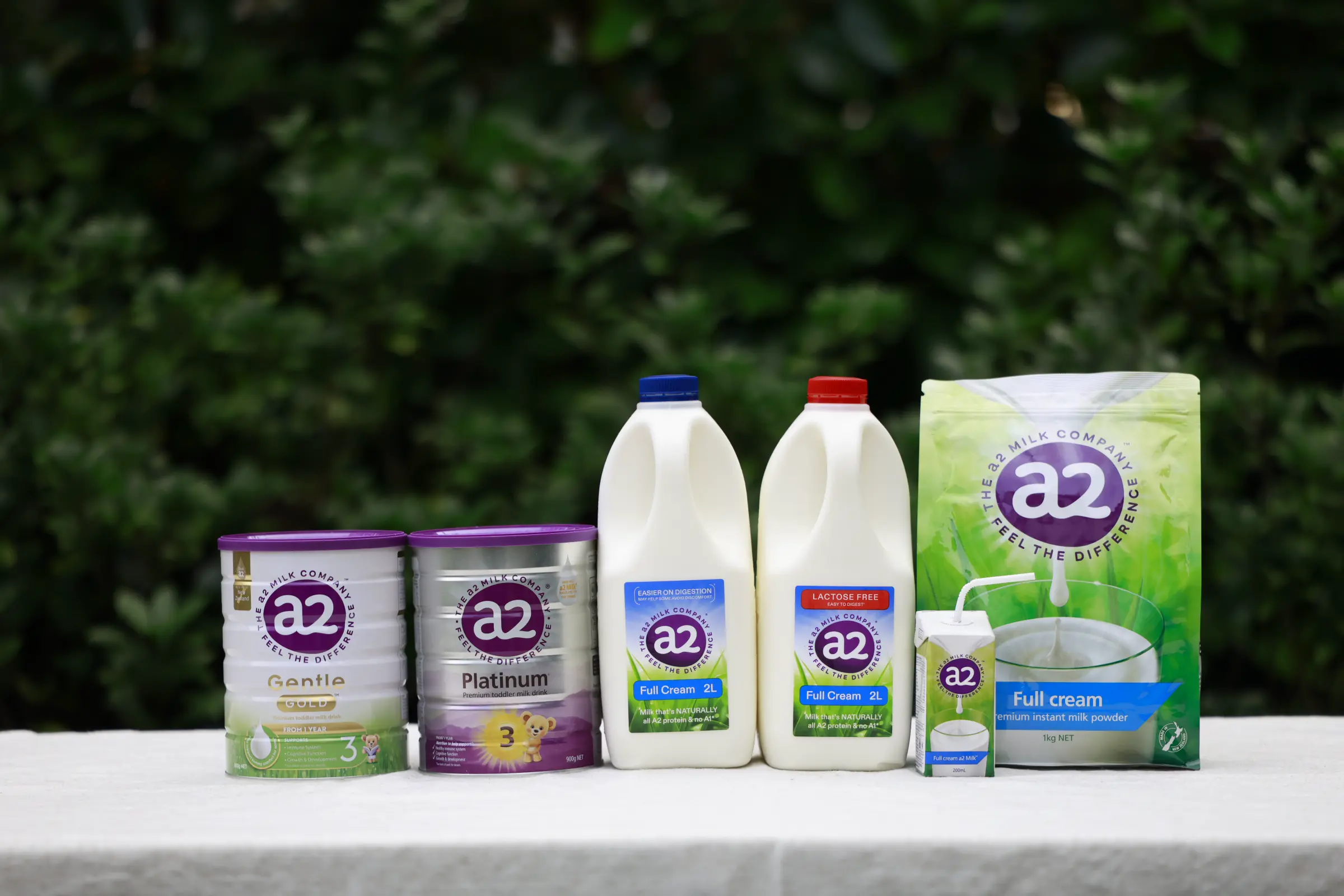
Improving circularity by using recyclable materials, increasing use of recycled content and providing clear, accurate on-pack information to enhance packaging recovery.
Thriving Farms
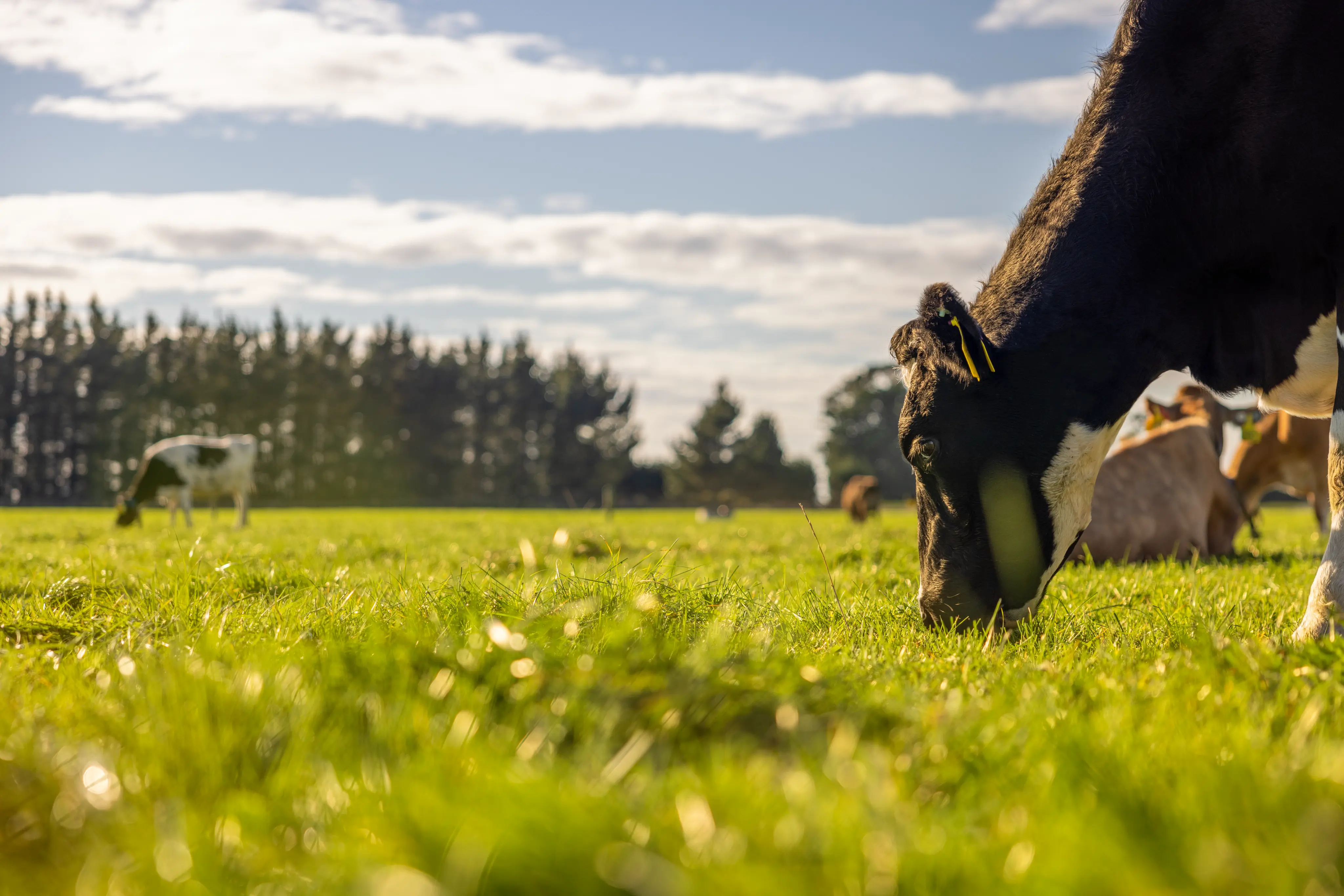
Partnering with farmers to strengthen sustainable practices and cow welfare on-farm, to build a resilient supply chain.
Responsible Supply Chain
Sourcing ingredients and materials responsibly, with a focus on human rights and ethical practices.

Enriching Communities
Supporting children, families and our farming communities to thrive.
