
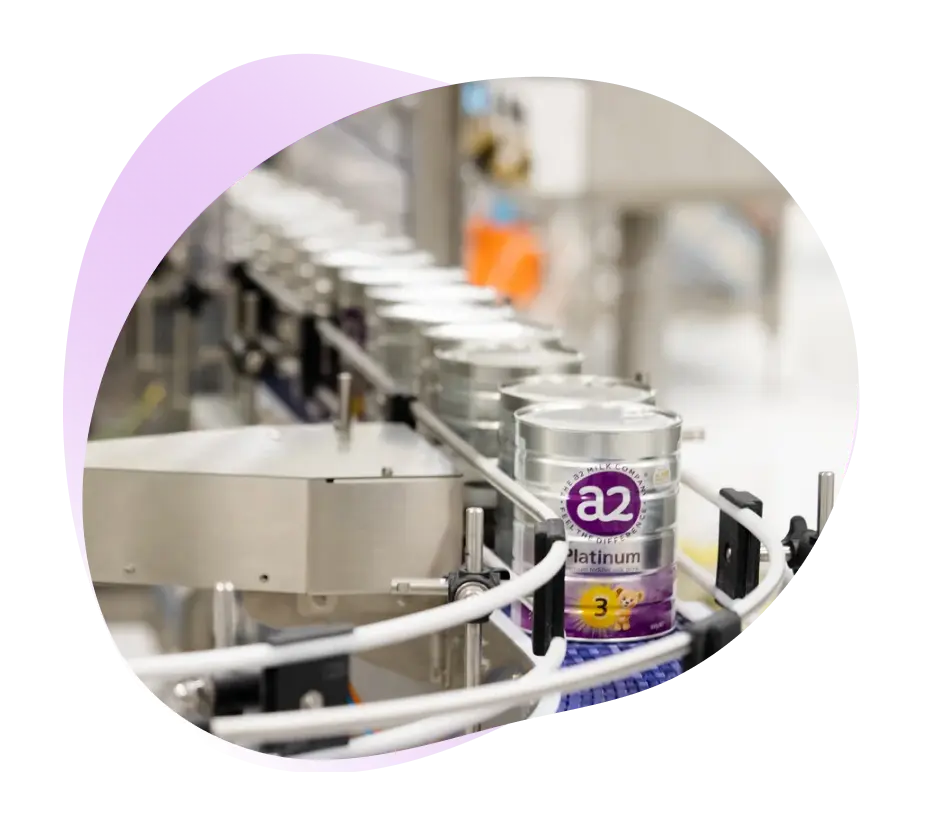
Strengthening our Responsible Supply Chain
Every a2™ branded product relies on a global network of partners. We are working to strengthen responsible sourcing practices across this supply chain, including focusing on labour standards, ingredient sourcing, and operational performance.
The a2 Milk Company doesn’t only measure success by our final products. We also take responsibility for how they’re made, the people involved, and the impacts created along the way.
These responsibilities extend well beyond our own operations, across a value chain that spans multiple countries and includes a large number of third-party suppliers, processors, manufacturers, distributors, and delivery providers. We are working to build a more complete understanding of this value chain and the areas where we can make the most meaningful impact.
As we continue developing this understanding, we are starting to work more closely with our partners to support the early stages of strengthening our value chain through more responsible and resilient practices. This is a long‑term journey and we recognise we are in the early phases of developing and embedding these practices.
We are focused on three main priorities:
- Ensuring human rights are respected
- Sourcing ingredients responsibly
- Improving the environmental performance of our operations
Setting Standards Across our Value Chain
Strengthening responsible practices in our value chain means addressing a diverse range of circumstances, including those within our direct control, those where influence is shared, and those where better information is needed.
Our goals are designed to deliver timely impact while laying the foundations for continuous improvement.
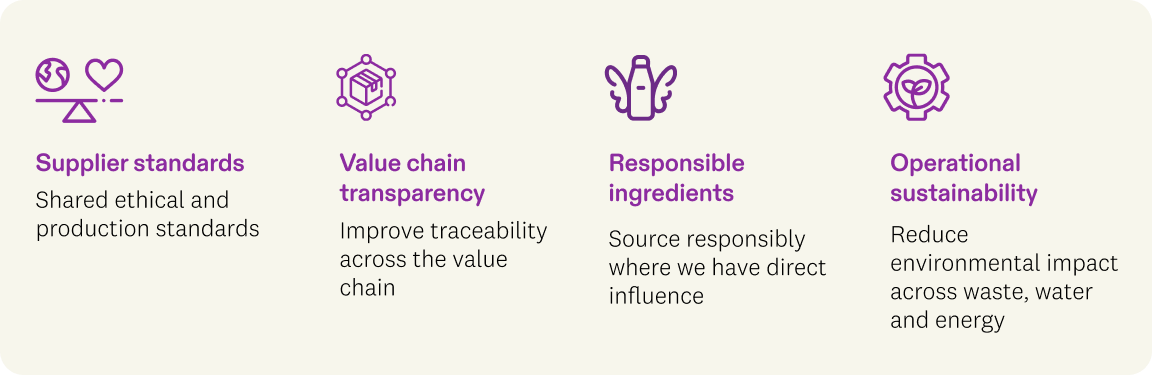
Key goals:
- Support high standards for ethical and responsible production across our supplier network
- Improve transparency and traceability across our value chain
- Source ingredients responsibly where we have direct purchasing influence
- Improve operational sustainability by reducing waste, managing water responsibly, and improving energy efficiency
Human Rights
Our responsibility to uphold the human rights and dignity of people connected to The a2 Milk Company extends to those who work with us both directly and indirectly.
We recognise that human rights risks can arise in different ways across sourcing, processing, manufacturing, logistics, and distribution. These may relate to labour practices, working conditions, health and safety, or other factors shaped by local contexts and industry dynamics. These are well understood considerations within the dairy and consumer goods sectors, and we take them seriously.
The a2 Milk Company operates through a broad network of suppliers, processors, manufacturers, transport providers and other partners across multiple countries. This includes more than 200 dairy farms that supply A1 protein free milk through trusted processors ranging from small family-run operations to larger enterprises with employed workforces.
Across this diverse supply base, we apply consistent expectations that reflect our values, while recognising different regulatory environments and operating models. Clear standards, ongoing due diligence and transparent relationships form the foundation of how we work with suppliers and processors who share our commitment to responsible and respectful practices.
Each year we publish a Modern Slavery Statement in line with Australian regulatory requirements. This outlines our due diligence processes, identified risks, and the actions we take to prevent and address modern slavery risks across our value chain.
Key actions with supplier farms
- Farmer premiums: We pay farmers supplying The a2 Milk Company a premium for A1 protein free milk that meets our quality, traceability, animal welfare and environmental standards. This supports operating costs including fair remuneration of workers.
- Due diligence and engagement: We work with processors to conduct due diligence for new suppliers across our farm base. Our Farm Services team provides on-the-ground engagement in key regions to raise awareness of risks and expectations around labour practices.
- Signed commitments: Where feasible and depending on our jurisdiction, our supplier farmers may sign contracts or pledges confirming they are not aware of modern slavery within their operations and committing to actions that reduce related risks.
Activity
STATUS
Premium prices for farmers
Established and ongoing practice
Due diligence for new on-farm suppliers
Established and ongoing practice
Ongoing engagement with existing on-farm suppliers
Established and ongoing practice
Signed commitments (where feasible)
Established and ongoing practice
As at 30 June 2025
Pursuing Transparency Across our Value Chain
Beyond its supplier farmers and processors, The a2 Milk Company works with a vast network of manufacturers, distributors, transport providers and brand licensees. Maintaining shared standards across this full value chain requires transparency and collaboration.
We are working with partners to improve visibility of operating practices, potential risks and performance across this network, particularly where activities sit beyond our direct control.
Our expectations are set out in The a2 Milk Company Responsible Sourcing Policy, which outlines the environmental, social, and ethical requirements we expect all suppliers to meet. This policy guides our due diligence processes, informs supplier engagement and helps ensure consistent standards across our global value chain.
We are focused on expanding oversight and targeted action in areas of higher risk or material impact.
Key actions
- Completion of an independent, comprehensive supply-chain risk assessment and refreshed gap analysis
- Continue development of an improved supplier due diligence programme
- Further develop internal facing metrics to measure the effectiveness of the modern slavery mitigation and prevention programme
Activity
STATUS
Independent supply-chain risk assessment
Complete
Complete rollout of improved supplier due diligence programme
Progressing
Enhance internal facing metrics
Early Stages
As at 30 June 2025
Sourcing Ingredients Responsibly
Our products are developed to deliver safe and effective nutrition. While raw milk is central to our products, our infant milk formula and powdered nutrition products also rely on a number of key ingredients sourced globally.
Global supply chains, particularly those linked to commodity markets with multiple intermediaries, present inherent challenges for traceability and risk management. Intermediaries often sit between the original producer and the final manufacturer, making visibility across every step of the supply chain more complex.
Where we have direct responsibility for manufacturing, we are reviewing and strengthening our approach to responsible sourcing, with a focus on high-volume and high-commodity ingredients. Where ingredient sourcing is managed by suppliers and processors, we work closely with them to improve transparency.
Key actions
- Following the company’s 2025 acquisition of an integrated nutritional manufacturing facility in Pokeno, New Zealand, we are formulating plans to conduct a risk assessment for the ingredients used in products manufactured at this site.
Activity
STATUS
Formulate a plan for how we will assess risks linked to ingredients sourced at our Pokeno facility
Early Stages
As at 31 December 2025
Operational Environmental Management
Where The a2 Milk Company owns and operates facilities, we manage environmental impacts directly at a site level.
Our operational sustainability efforts currently focus on three priority areas:
- Water use
- Waste management
- Energy efficiency
We are also working to extend our efforts in areas that support long term environmental improvement, including emissions reduction, packaging sustainability, and overall site environmental performance monitoring. These actions complement our broader Climate and Nature and Sustainable Packaging strategy.
To strengthen how we monitor and improve environmental performance, the Company is progressing toward implementing an Environmental Management System (EMS) across its operated manufacturing facilities.
Key actions
As at FY26, performance across our owned operations for the reporting period ending 30 June 2026 showed:
- Water: Water efficiency remains a key priority, with water use intensity of 3.2 litres of water per litre of milk processed during FY26
- Waste: 91.6% of waste was diverted from landfill, while approximately 1.2 million litres of wastewater was diverted to beneficial land application.
- Energy: Total electricity consumption across manufacturing operations was 31 million kWh, with monitoring continuing to identify efficiency opportunities.
- Governance: An Environment Policy was approved and work commenced on an Environmental Management System across manufacturing facilities.
Activity
FY26
STATUS
Water use intensity
3.2 (litres/litre of milk)
On Track
Waste diversion
91.6%
On Track
Recycling waste
1,316 tonnes
On Track
As at 30 June 2026
The ESG reporting library contains all voluntary and mandatory climate and ESG disclosures, performance updates and detailed sustainability data.
Explore Our Sustainability Focus Areas
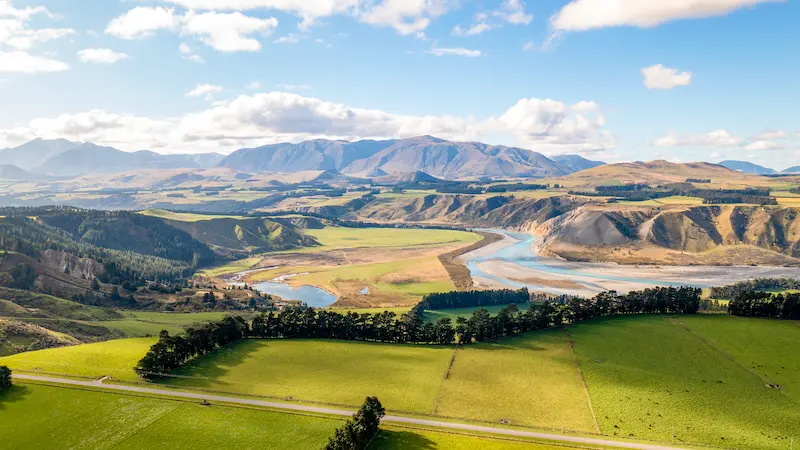
Climate and Nature
Working to reduce emissions, support biodiversity and contribute to nature positive outcomes.
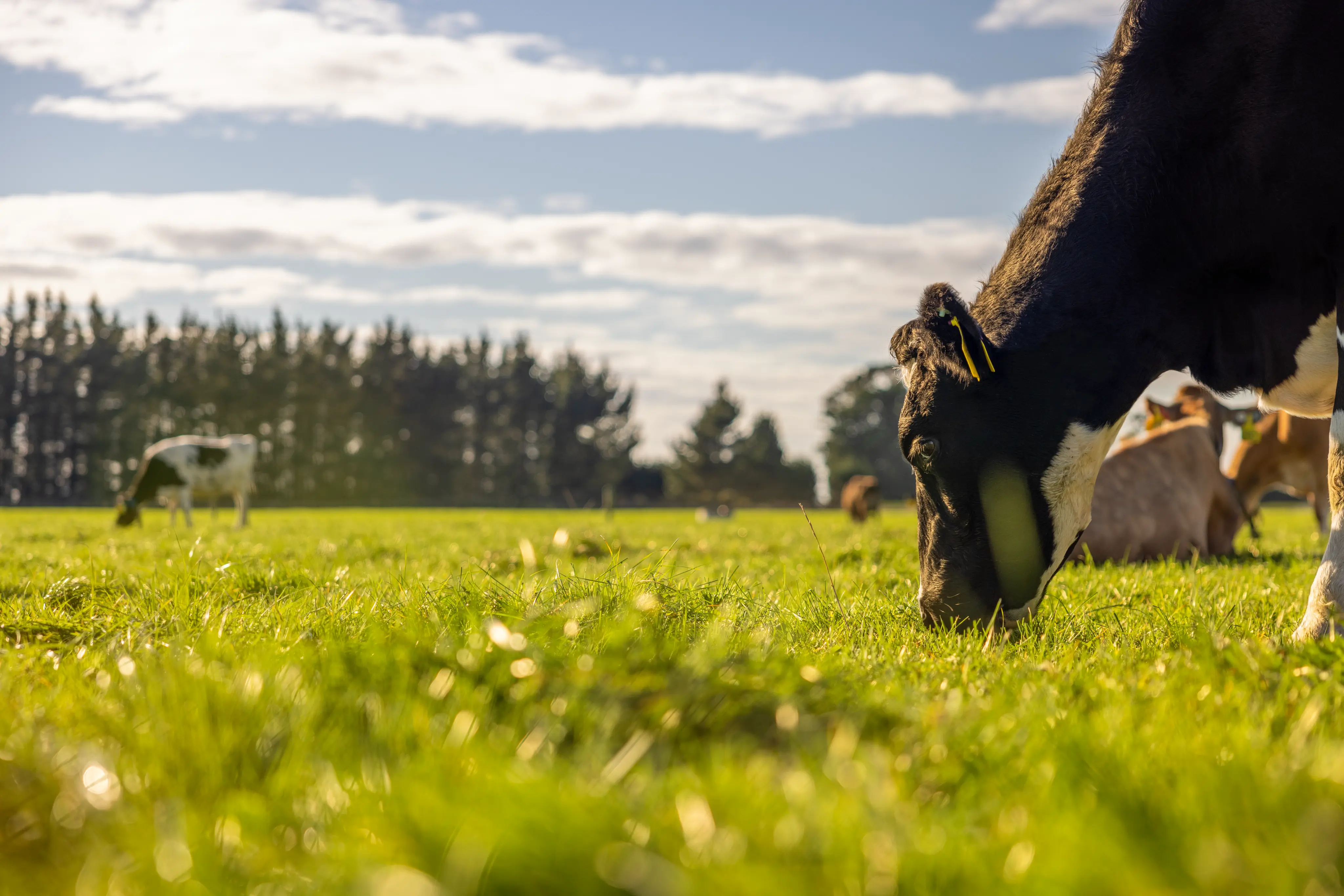
Thriving Farms
Partnering with farmers to strengthen sustainable practices and cow welfare on-farm, to build a resilient supply chain.
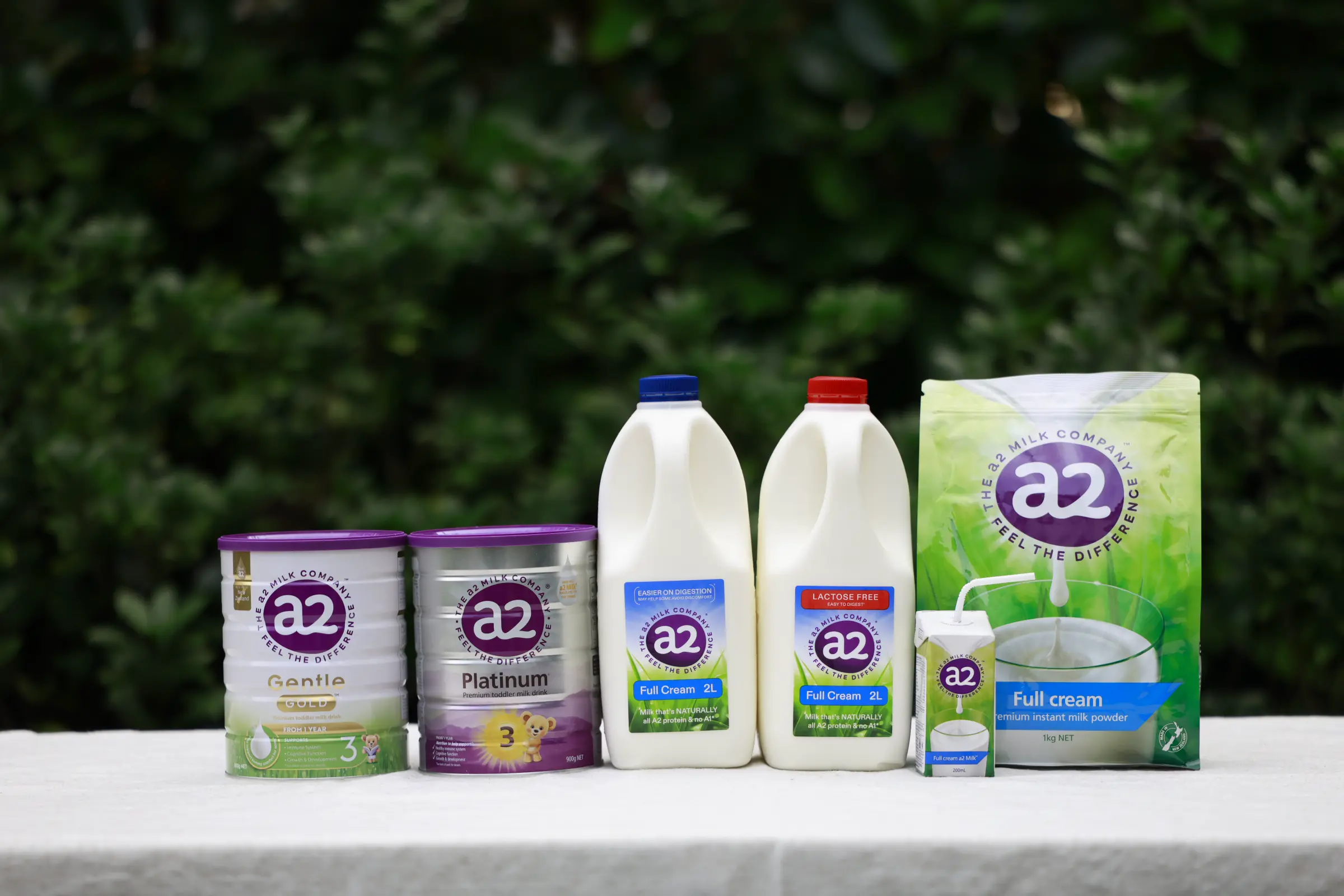
Sustainable Packaging
Improving circularity by using recyclable materials, increasing use of recycled content and providing clear, accurate on-pack information to enhance packaging recovery.
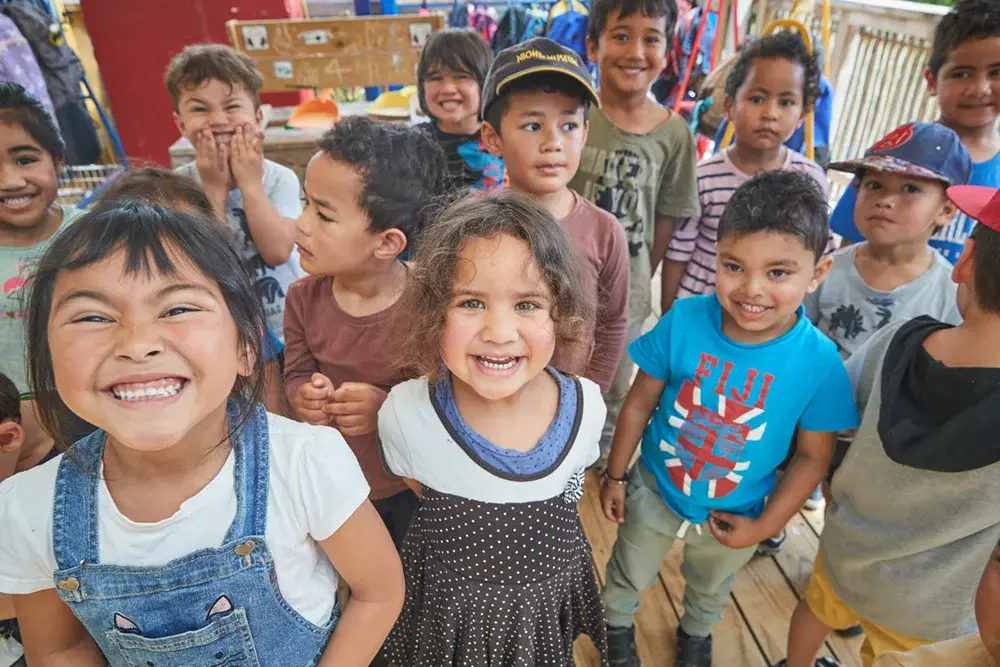
Enriching Communities
Supporting children, families and our farming communities to thrive.
